It was a long trip (23 hours) from La Paz to Samaipata but I wanted to veer a little off the gringo trail so it felt worth it. Despite the travel agency at my hostel trying to convince me otherwise, I made a 5pm bus from La Paz at half the price they said it would cost and arrived into Santa Cruz at noon the next day. Santa Cruz was humid and rainy and generally very unlike La Paz, except maybe for the traffic blocking up the roads, but thankfully it was never the plan to stay there. Because of the rain, I abandoned the plan to walk to where the trufis depart for Samaipata and instead shelled out 20 Bol. for a taxi. I tried to argue that that was a lot of money but the driver just looked at me, pointed at the rain and said ‘quieres caminar?’. Taxi driver 1, Gunilla 0. The trufi filled up pretty quickly after I got dropped off at the departure point so by 1pm I was on the way to Samaipata and when we arrived at the central plaza 3 hours later, it was in lovely sunshine. I slept most of the way despite my best effort not to (because the bumpy roads just lull me to sleep. Good everywhere else but bad here) and missed some awesome scenery which was a shame. Once in town, it took a bit of wandering around to find a hostel that wasn’t fully booked or had availability for more than 1 night because, apparently, there was a festival on the weekend I arrived. I only knew that it was the weekend of Halloween (Friday) and Dia de las muertes (Sunday) so I thought that maybe those two celebrations had just joined forces to be described as a festival. Unfortunately, as a result, the hostel I finally did find (which was actually quite lovely) that had space was charging 20 Bol. extra per night. But I needed to sleep somewhere so I decided it was ok.
But because the world wasn’t about to let me really love this place, I got attacked by something (the metaphorical jury is out on what it was) the first night. My face and both my hands were covered in small red bites. It could have been bed bugs but no one else in the dorm had it and I don’t know what bed bug bites actually look like, I’ve just heard stories about it. The owner tried to convince me that it was an allergic reaction to the wool blanket but my hands and face, and their years of proximity to knitwear during Danish and English winters, were not about to accept that as a reasonable explanation. Later, he claimed it must have been mosquitos which I couldn’t even take seriously because if there is anything I know about bite-wise, it’s mosquitos. And considering the number of bites and locations, those would have been the worlds dumbest and most ridiculous mosquitos.
But my physical appearance during my stay aside, Samaipata had all the potential in the world to have been a fab little town. Normally it’s chilled out and, aside from roosters and dogs, quiet and peaceful. But because I arrived on a holiday weekend, it was full of locals enjoying their long weekend and because there was that festival on – a trance festival, it turned out – it was also full of hippies on acid. Neither of which was my scene or what I was looking for after 4 days in La Paz and 3 days climbing up a massive ice-covered mountain. By the time I arrived on Friday afternoon, the two cafes with wifi in the main square had switched it off because of the festival so I did feel slightly off the grid for the 4 days I spent there which was actually pretty nice.
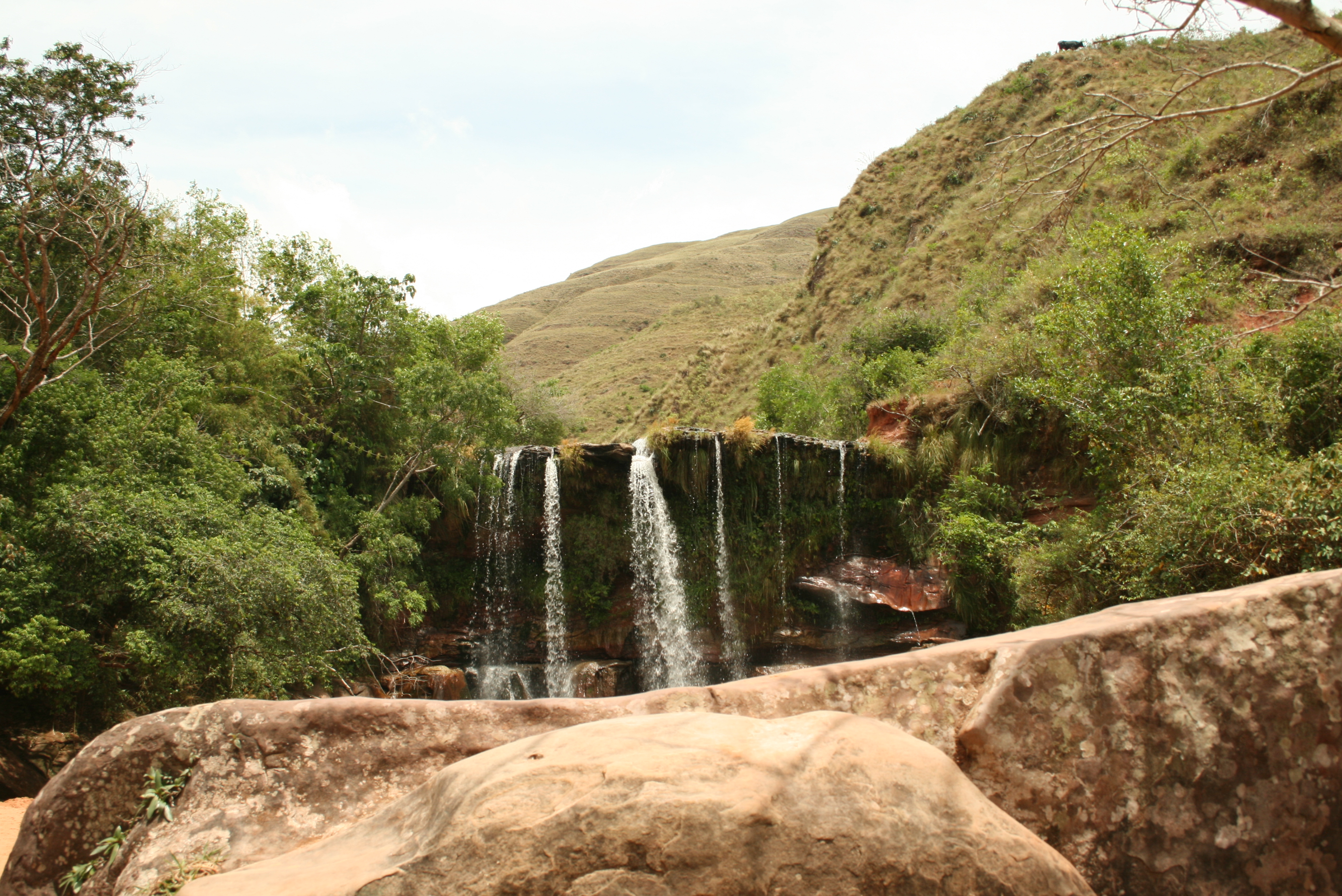
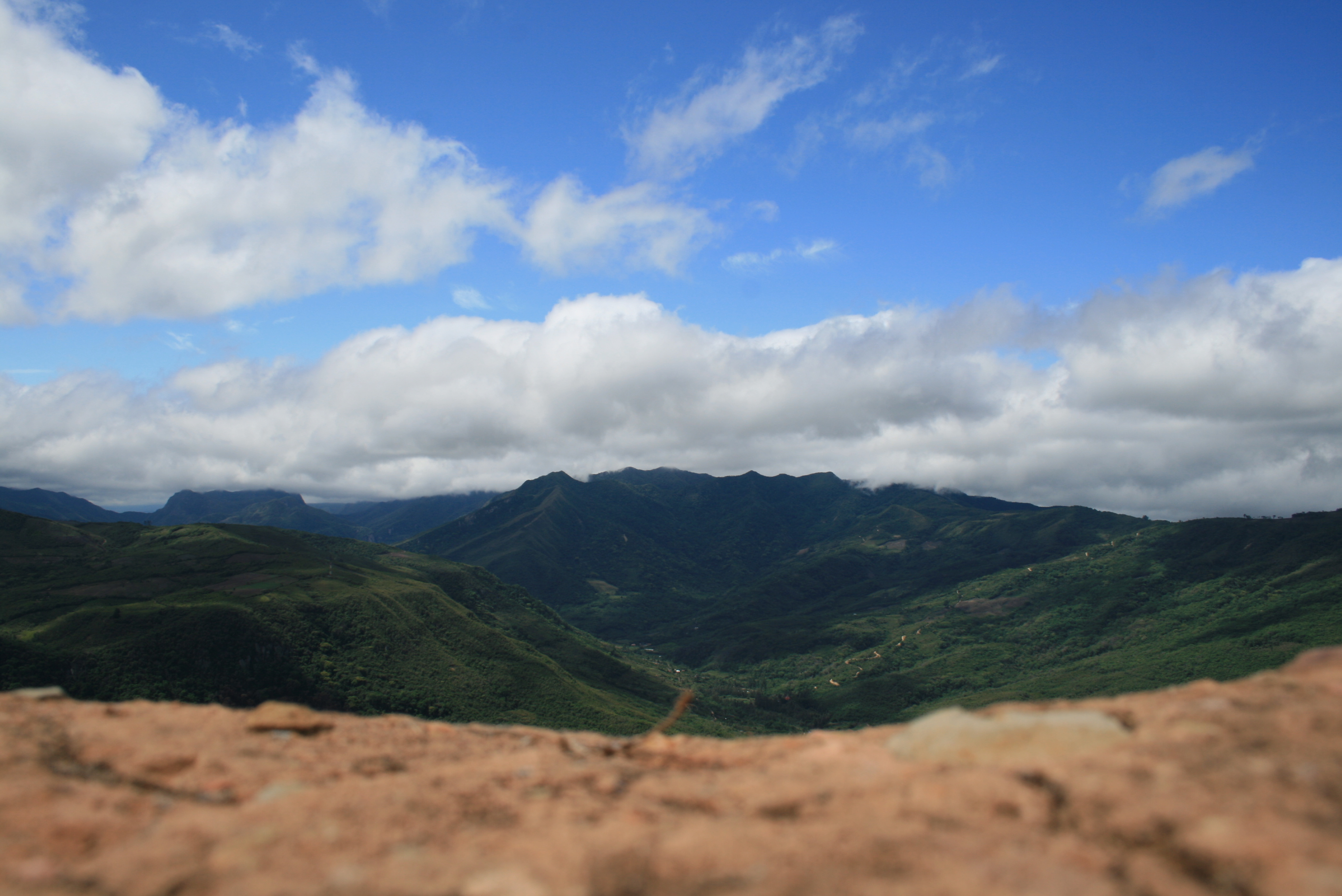
I spent a day at Las Cuevas, an area 20km from town with three waterfalls and pools for swimming set by mini-beaches among the green hills of the Amazonas, with three girls from my hostel, climbed to a mirador in the rain and walked to the El Fuerte ruins (2 hours outside of town), which were in such a beautiful setting with views of the green Amazonas-like Parque Nacional Amboró on one side and the Bolivian Andes on the other.
Next, it was time for me to head onwards to Sucre. On an overnight bus that I booked through the lady at the lavanderia across the road from my hostel. Questionable practice but others had done it so I figured it worked. And it did work but in a veeeery interesting way…
I was supposed to be at the lavanderia at 8.30pm to be driven a few kilometers out of town to the main road where the bus from Santa Cruz would pick up any Samaipata passengers at 9pm but when I got back to my hostel at 18.30, the guy who ran it told me the bus had left Santa Cruz early so I needed to get on the transport to the bus pickup point straight away. Or actually 10min earlier but that would have been really impressive if I’d managed that. So I literally threw my sandwich into my bag, picked up my backpack and ran across the road to the lavanderia. The lady was ready with the transport to the pickup point – a moto. I literally laughed at that suggestion, what with my massive backpack and two other bags. The solution? The guy on one motorbike grabbed my backpack and rested it on the handlebars and I got on the back with one bag and the laundry lady grabbed my other bag and told me she would follow in a few minutes. This didn’t fill me with confidence because in the packing rush, I had had no time to get everything organised so she had the bag with the most important things I would need to keep travelling – passport, credit card and a 5 month supply of insulin. Thankfully, it wasn’t a long ride at the back of that motorbike. On questionable Bolivian roads. With no helmets. Lovely. At the ‘bus stop’, 10 other gringos were waiting on the same bus which they had been assured was a cama. My ticket had been ticked as ‘normal’ so I wasn’t quite as confident as to the standard of the bus. But we had paid a lot for these tickets which the lady had excused by it being a public holiday (apparently they are usually 80 Bol. but we paid 150) so everything seemed possible. After 30min at the roadside, and reassurance from the lady that the bus had a bathroom, the bus pulled up. And it was most definitely not a cama. And most definitely did not have a toilet. It was basically a glorified chicken bus. We got all our bags into the hold and got on, to find that they had let on more passengers than there were seats. So it took some maneuvering around and the driver telling us that people would be getting off at the dinner stop in 20min before we made a move. And then, at the dinner stop, there was apparently something wrong with the rear left tyre. Which they decided to fix with a piece of string. It didn’t sound good when we reversed back onto the road and I decided to just cross my fingers that we would actually make it to Sucre – even if it would end up taking several days. That solution held out until midnight when we had another extended stop and they brought out a long flat cable to replace the string. They also let on 4 more passengers despite there still not being enough seats (1 of the 10 other gringos didn’t have one yet either so he most definitely overpaid).
It was a bumpy ride on gravel roads through the mountains throughout the night but after 14 hours (just 5 hours delay. It could have been so much worse) we were in Sucre. Well, almost. Because the bus driver couldn’t be bothered going all the way to the bus terminal on the edge of town so dropped us off on some side street. Our bags in the hold were covered in grime and dirt and dust from the extended trip across the gravel roads so I now most definitely look like someone who’s been on the road for a while.
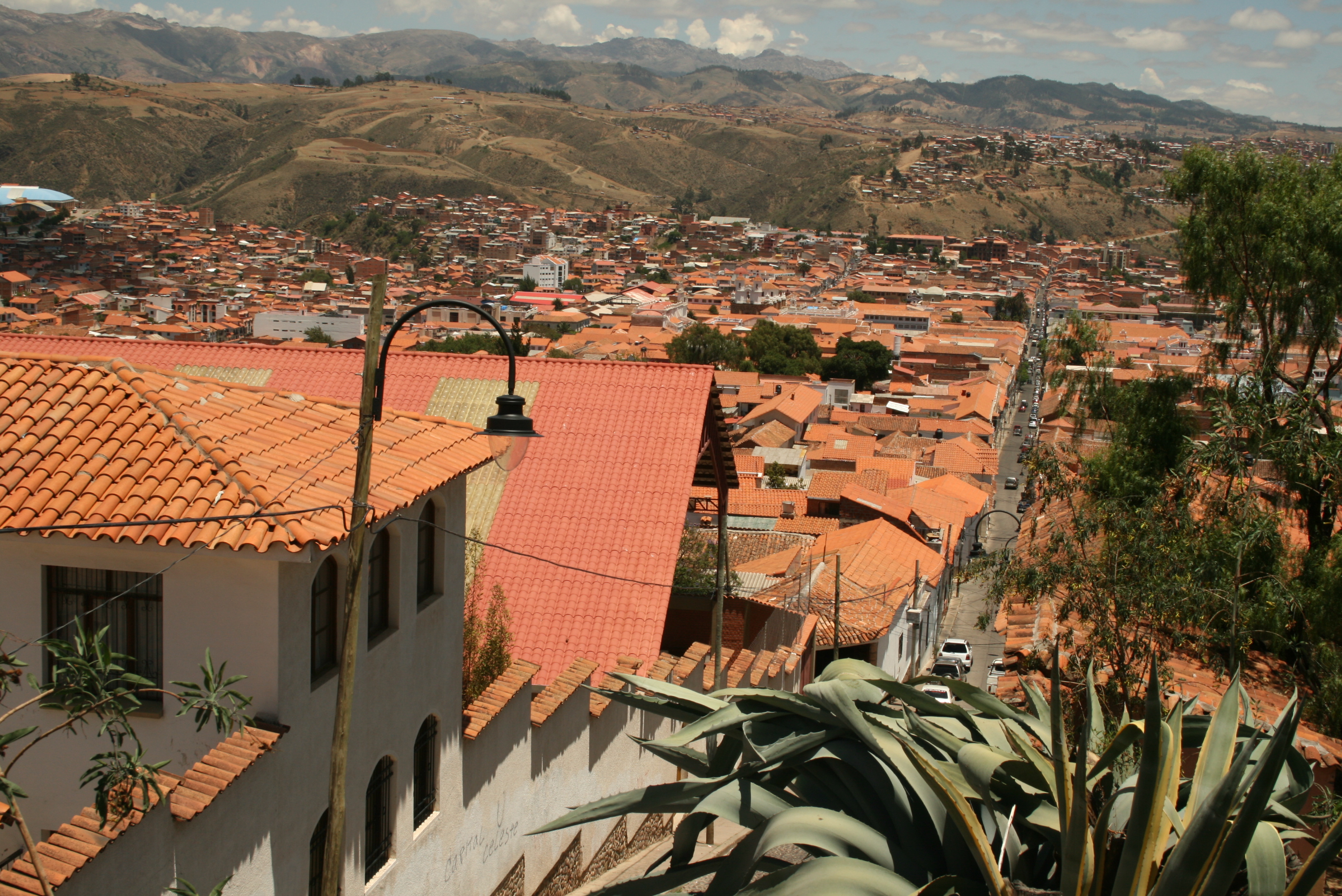
It was hot in Sucre so the walk to the hostel was tougher than anticipated but I made it (with a little stop along the way to sow one of the straps on my canvas bag back on. I need to do something about all this luggage), got checked in and went looking for Condor Trekkers, a non-profit agency that organises hikes in the surrounding corderillas and work with the local communities which had been recommended from one of the girls I met in Salento, Colombia and again by an Aussie guy at my hostel in La Paz. I wanted to do their 3-day trek but there were no confirmed groups for that trip so I left my name in their book and crossed my fingers there might be one I could join one of the upcoming days.
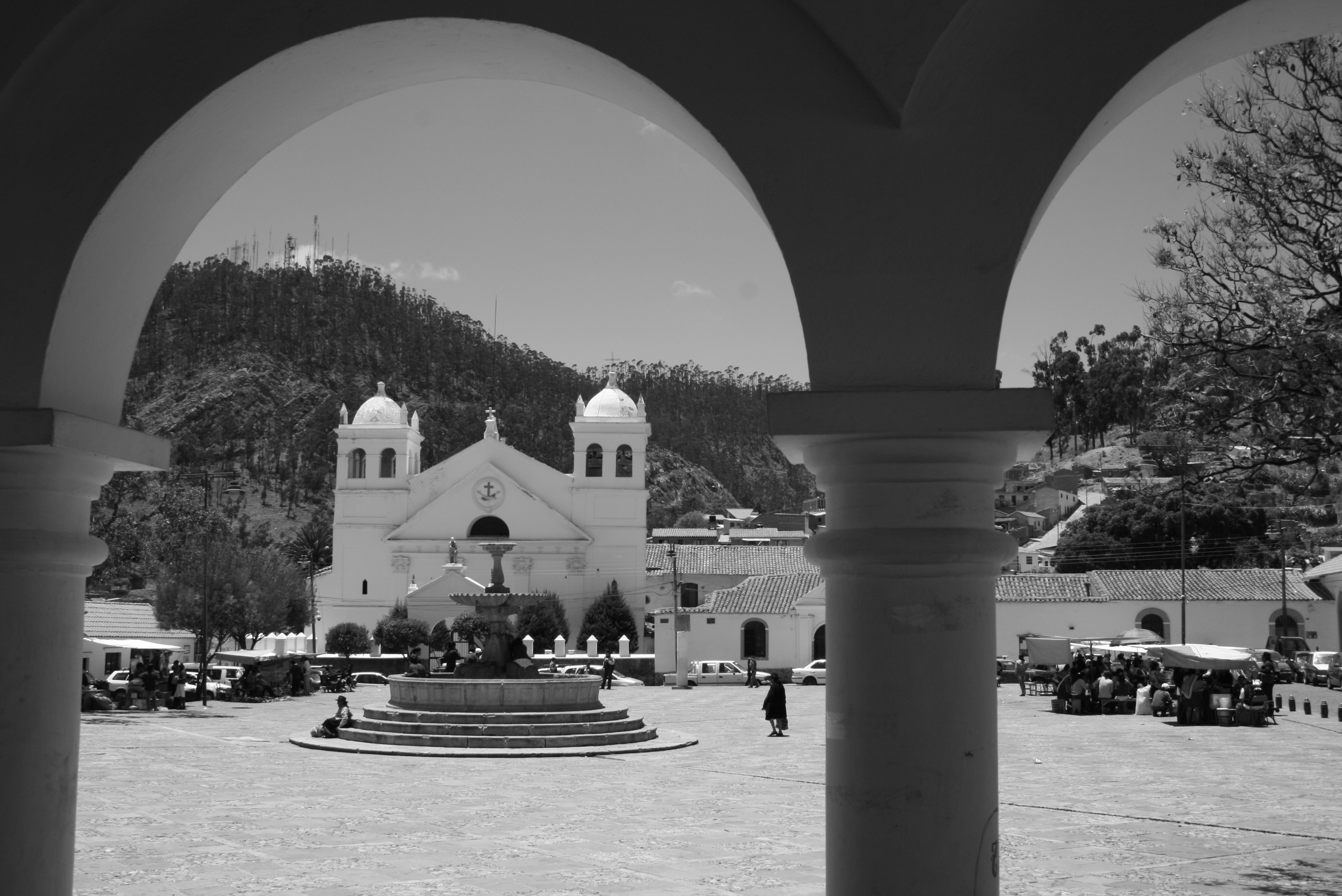
Sucre is the governmental capital of Bolivia but doesn’t feel like a big city except for the fact that fruit at the local market is way expensive (3 apples or pears or peaches for 10 Bol., that’s more expensive than Tesco, Hackney Central) and there are several banks that will let you withdraw US dollars (thank you, BNB, for my $100 notes). There are also several cafes, bars and restaurants that have fairly functional wifi so I finally got reconnected with the world after my internet-free stay in Samaipata. Apparently I missed nothing.
The best description for Sucre, though, is comfortable. And that was nice. Even if that meant excessive consumption of chopp grande paceñas at my German hostel. But as someone told me while I was there, my skin isn’t yellow yet so my liver hasn’t started to malfunction. So for now, all is looking good for the remaining 4 months.

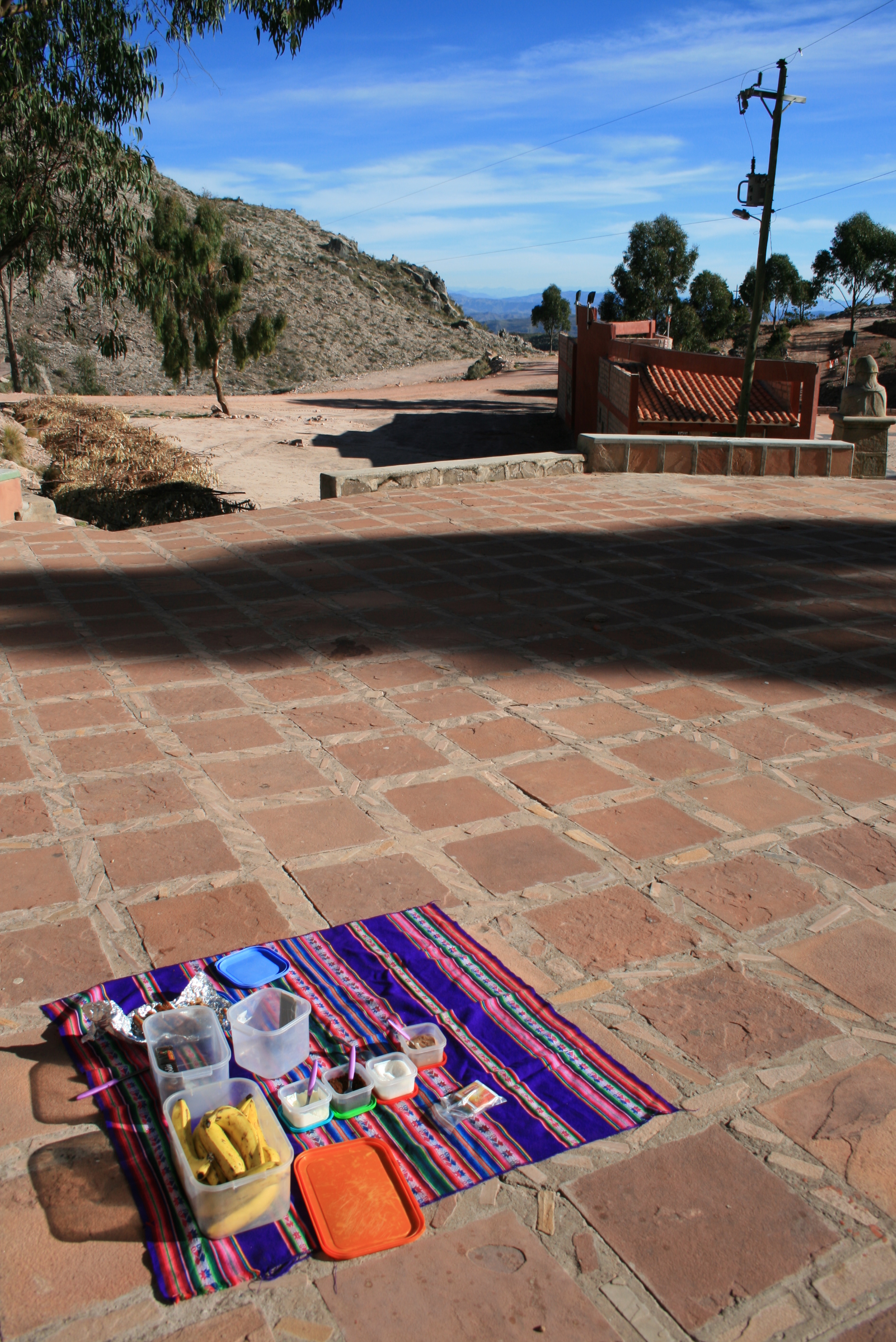
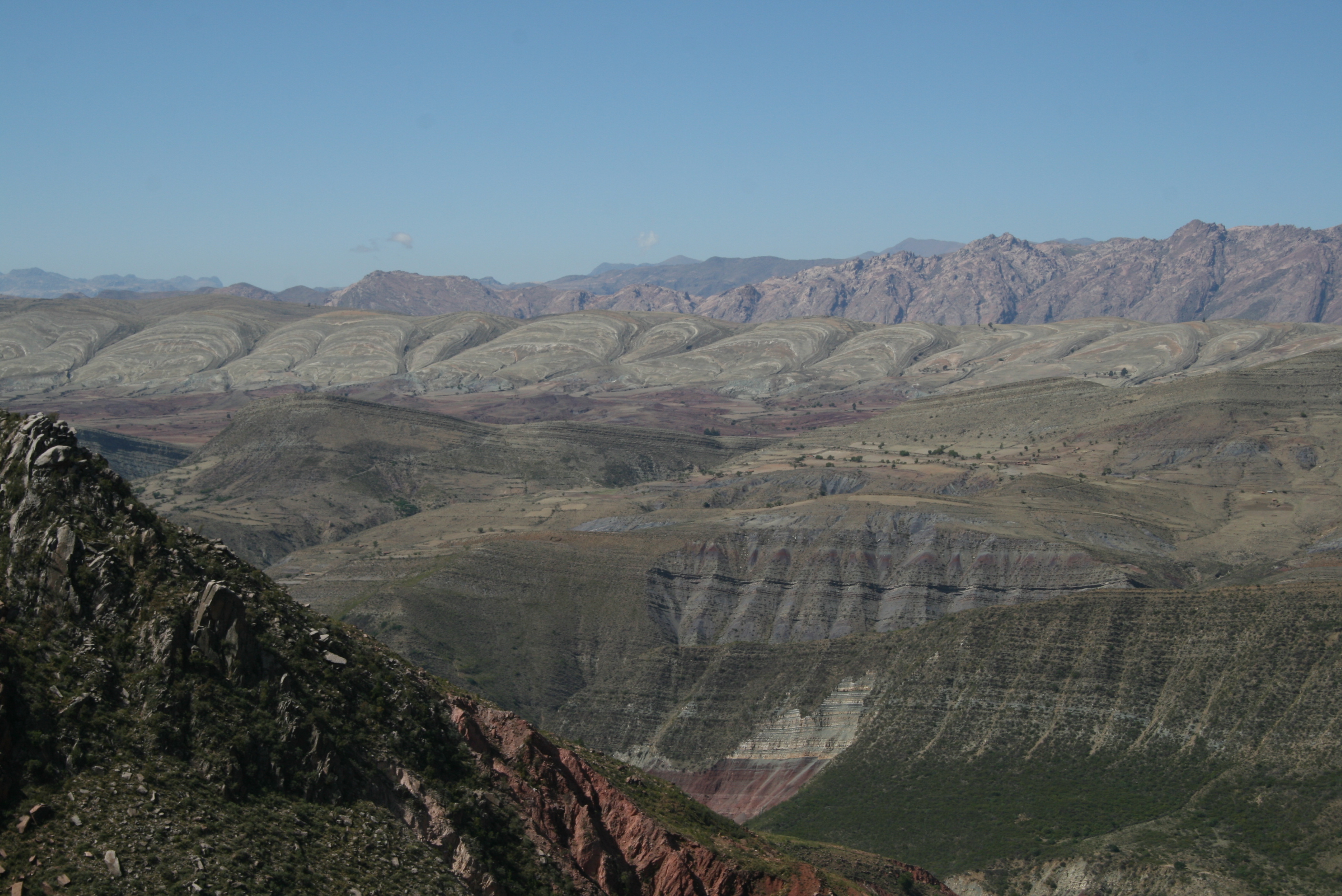
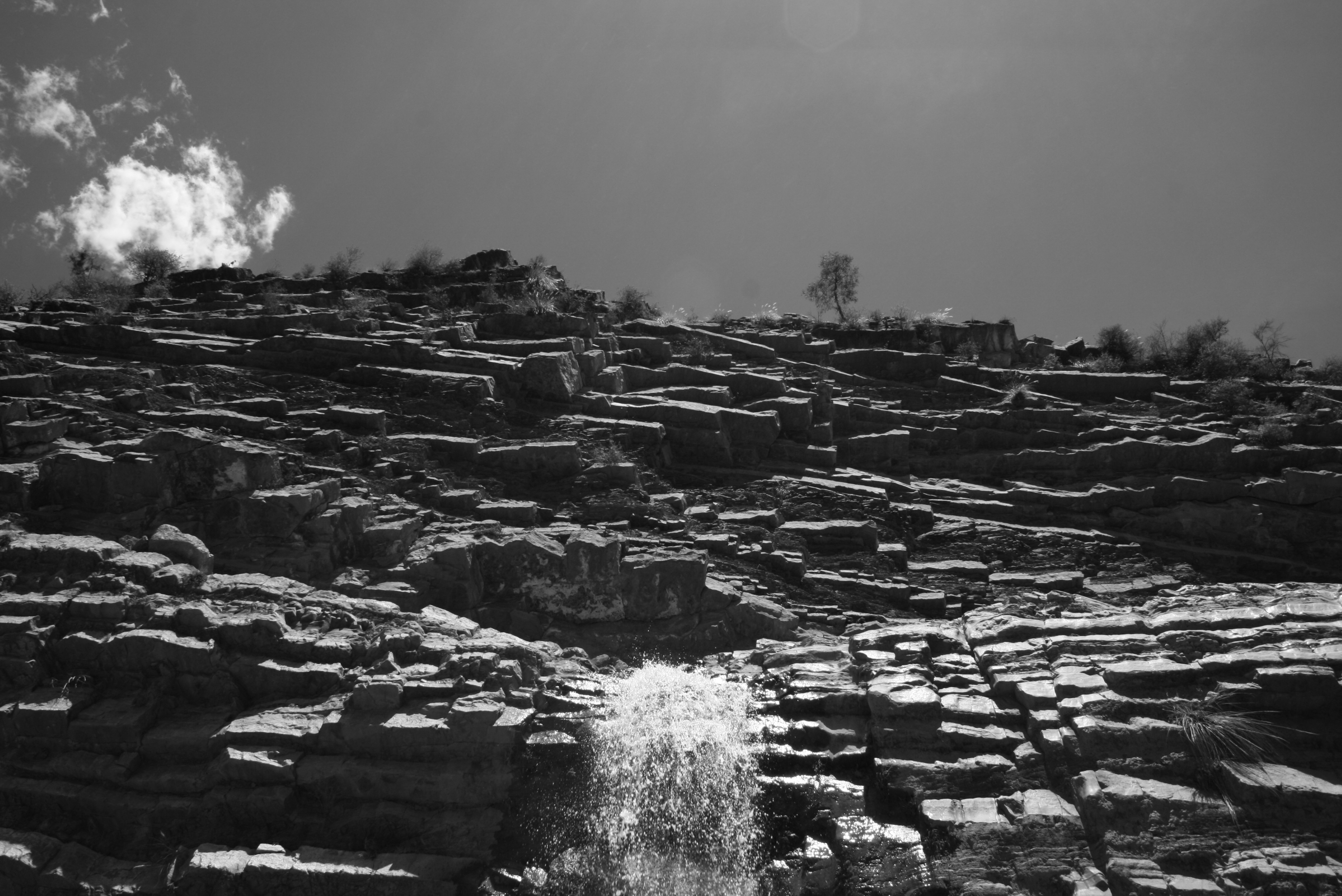
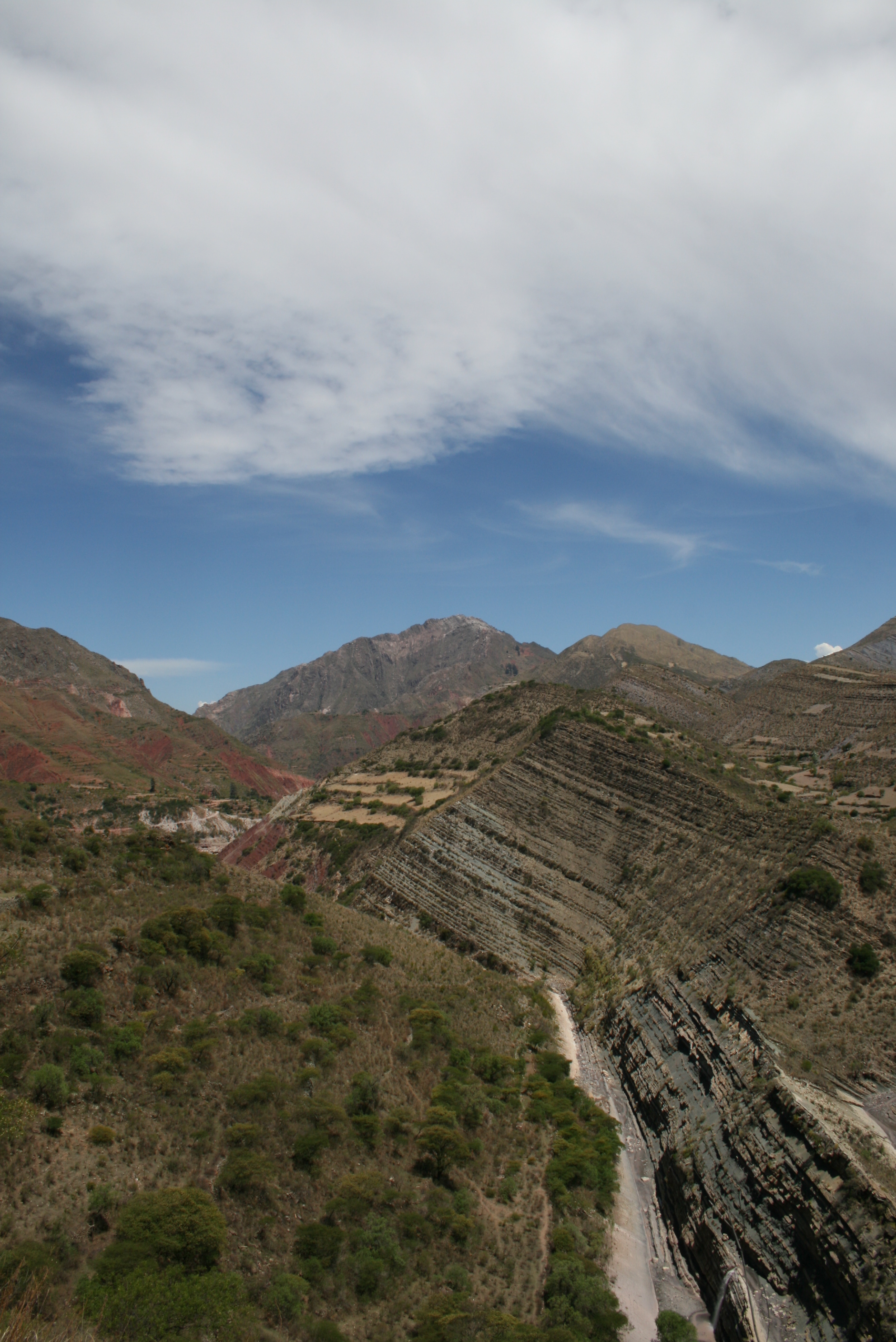
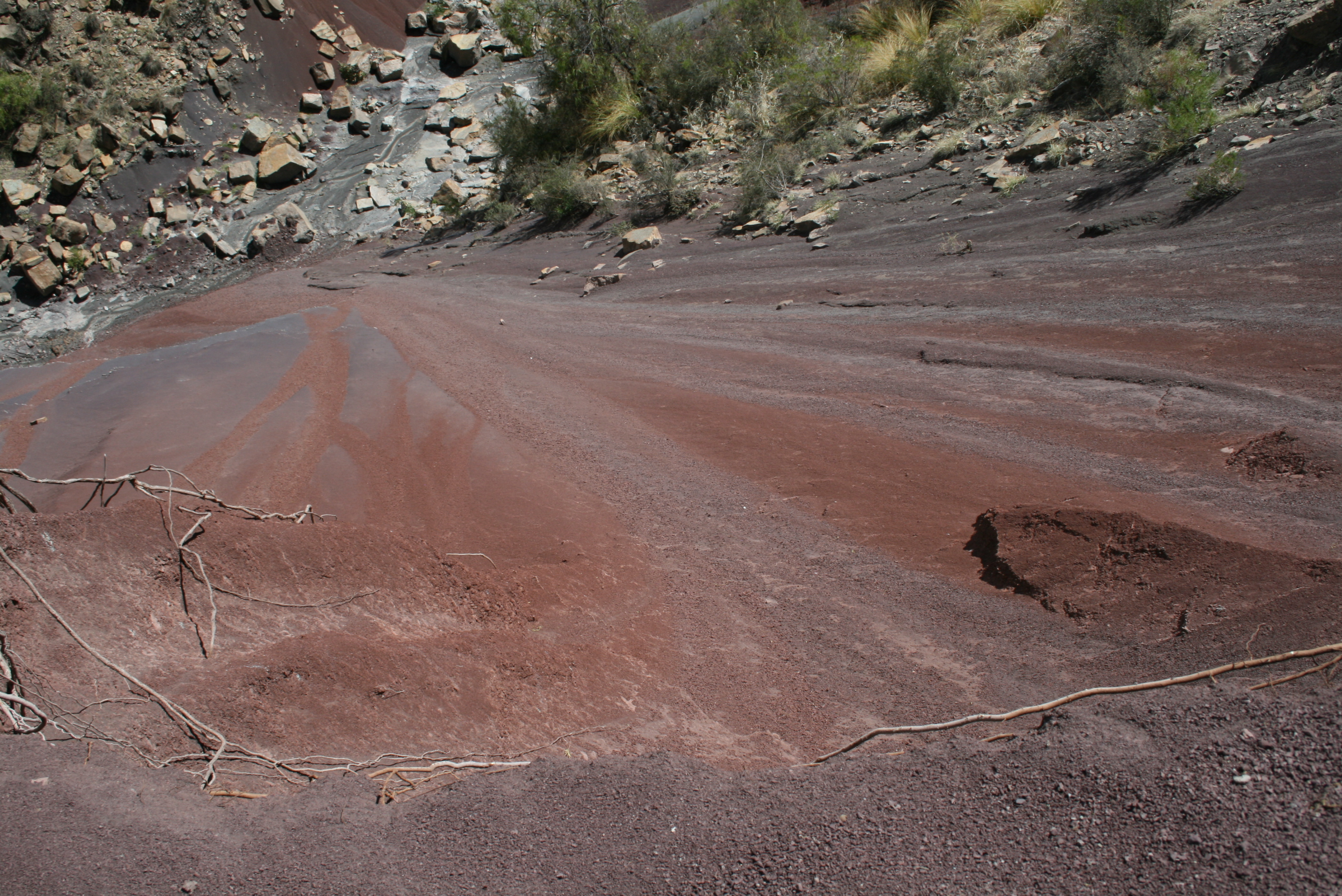
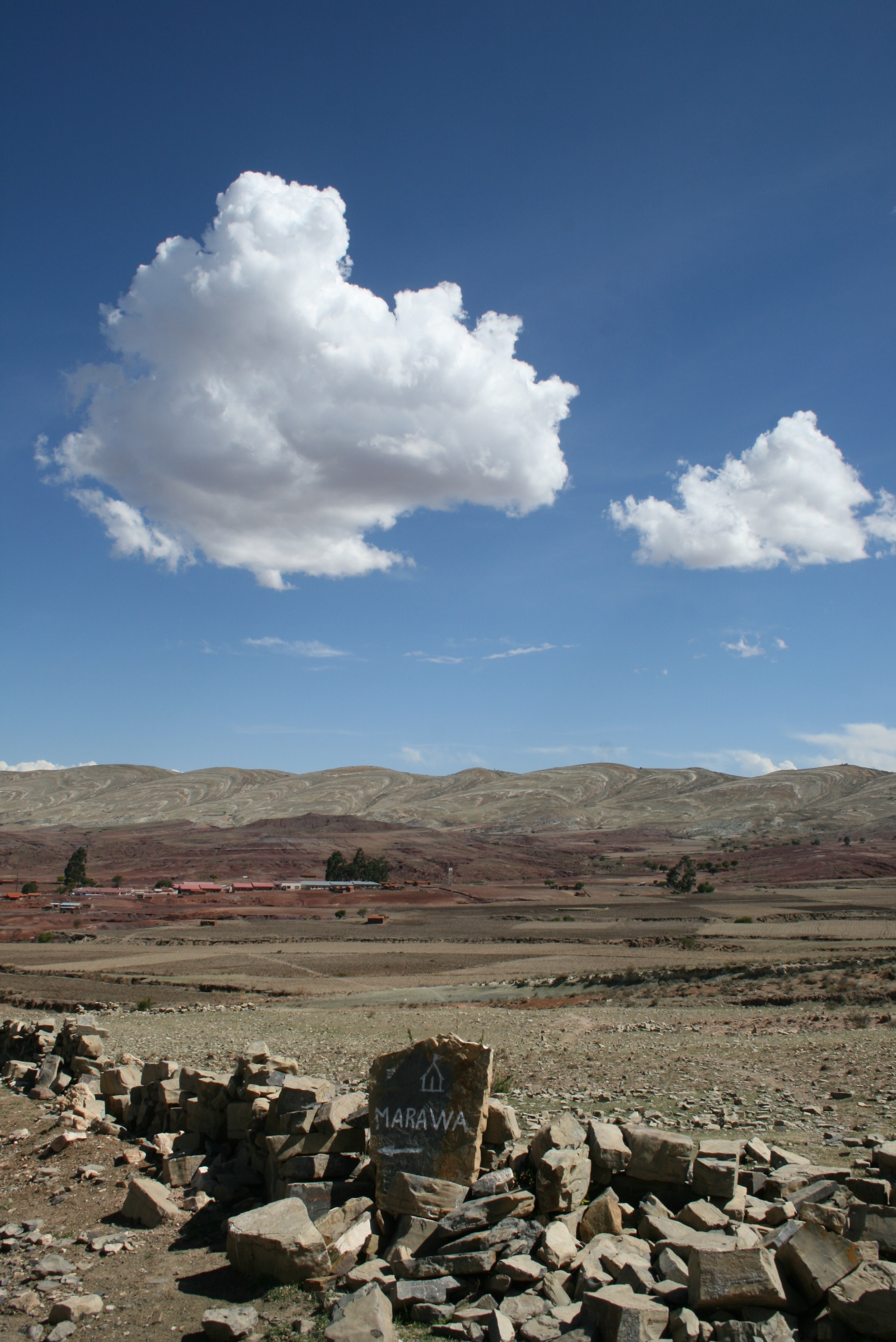
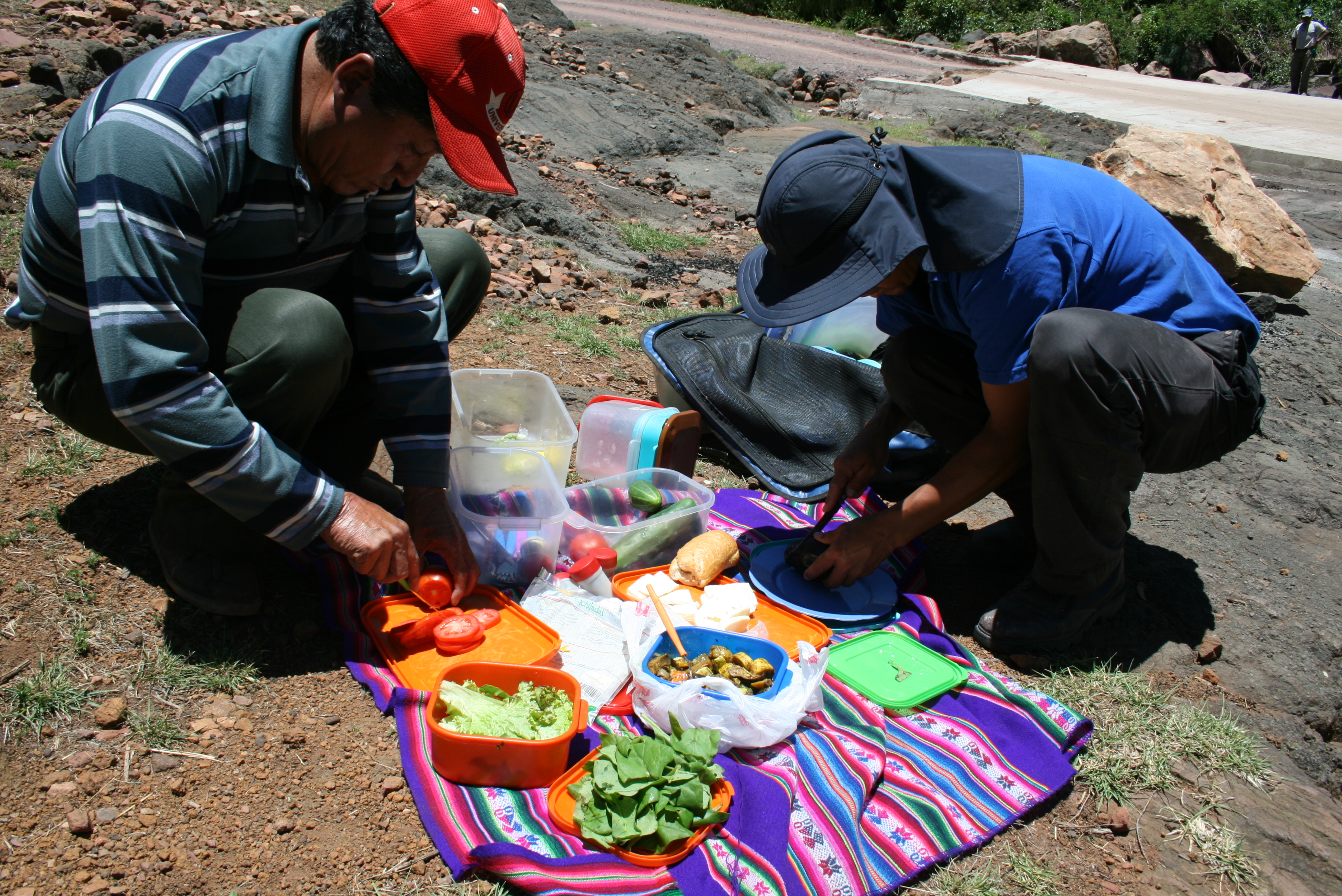
A 3-day hike never got confirmed so instead Condor Trekkers let me join a 2-day tour that a Swiss couple in their 60s had booked. It was a bit more expensive than I had hoped for because they had paid for a driver to carry the food but I really wanted to see the area and it was the only option available to me if I was to be back in town for the Sunday market so I joined them bright and early at 6.30am with fully charged camera batteries and 4gb of memory at the ready. I was a bit worried I’d be third wheeling on their trip but thankfully they were really lovely and chatty and spoke perfect English (and German, French and Spanish so the language student in me was well impressed). And they taught me loads about cacti so I reckon that’s my new specialist subject in pub quizzes. We walked for about 5 hours the first day, down an Inca trail (and I did not throw up on this one! #winning) and into the Maragua crater where we were staying overnight. The second day, we walked out of the crater (which we did in 2 hours despite many photo stops to the surprise of our guide who reckoned it would take us 3 1/2 hours), had a brief stop in Quila Quila to see some Inca engravings on some rocks and an awesome lunch at a little river before returning to Sucre.


Because Sucre was such a nice place and the people I met there so great (I even managed to finally catch up with someone I met at La Serrena in Salento who I’ve been more or less doing the same route as since then but we’ve always just missed each other) I decided to head to Potosí on a day trip instead of spending any nights there. Potosí is the silver city, surrounded by mines containing silver, zinc and tin that have been worked for about 500 years. The history of how the Spanish worked these mines, the slaves they brought over to work them and the wealth they took from them goes deep into the history of Bolivia as a nation and its people and I’d spent a lot of time thinking about whether or not doing a mine tour was something I wanted to do. A part of me felt that it was a very voyeuristic way to see Potosí and for a long time I wasn’t sure I was very comfortable with that. But I heard stories from other travellers and it seemed to have had a real impact on most of them so in the end I decided to do it. Another guy from my dorm joined me and we got to Potosí after a 2-hour shared taxi drive with a family of 4 with the most quiet baby I’ve ever shared public transport with, and joined the afternoon tour with a recommended agency. We got kitted out in protective clothing and rubber boots (bad day not to wear socks – I had to improvise a pair using plastic bags) and a helmet with a head torch, set off to the miners market to buy some presents in case we were to run into any on our way (they like dynamite, 96% alcohol, soda and coca leaves. We went for the dynamite ‘pack’ – a stick of dynamite, a bag of ammonium nitrate and a 3 min. fuse at the cost of 22 Bol.), visited a processing plant and then headed to the Rosario mine on the outskirts of the town. We were in the mines for 2 hours with our guide (who was a miner for 2 years himself) and met 2 sets of miners working a Saturday because the upcoming Monday was a holiday and they needed a full week’s worth of work.
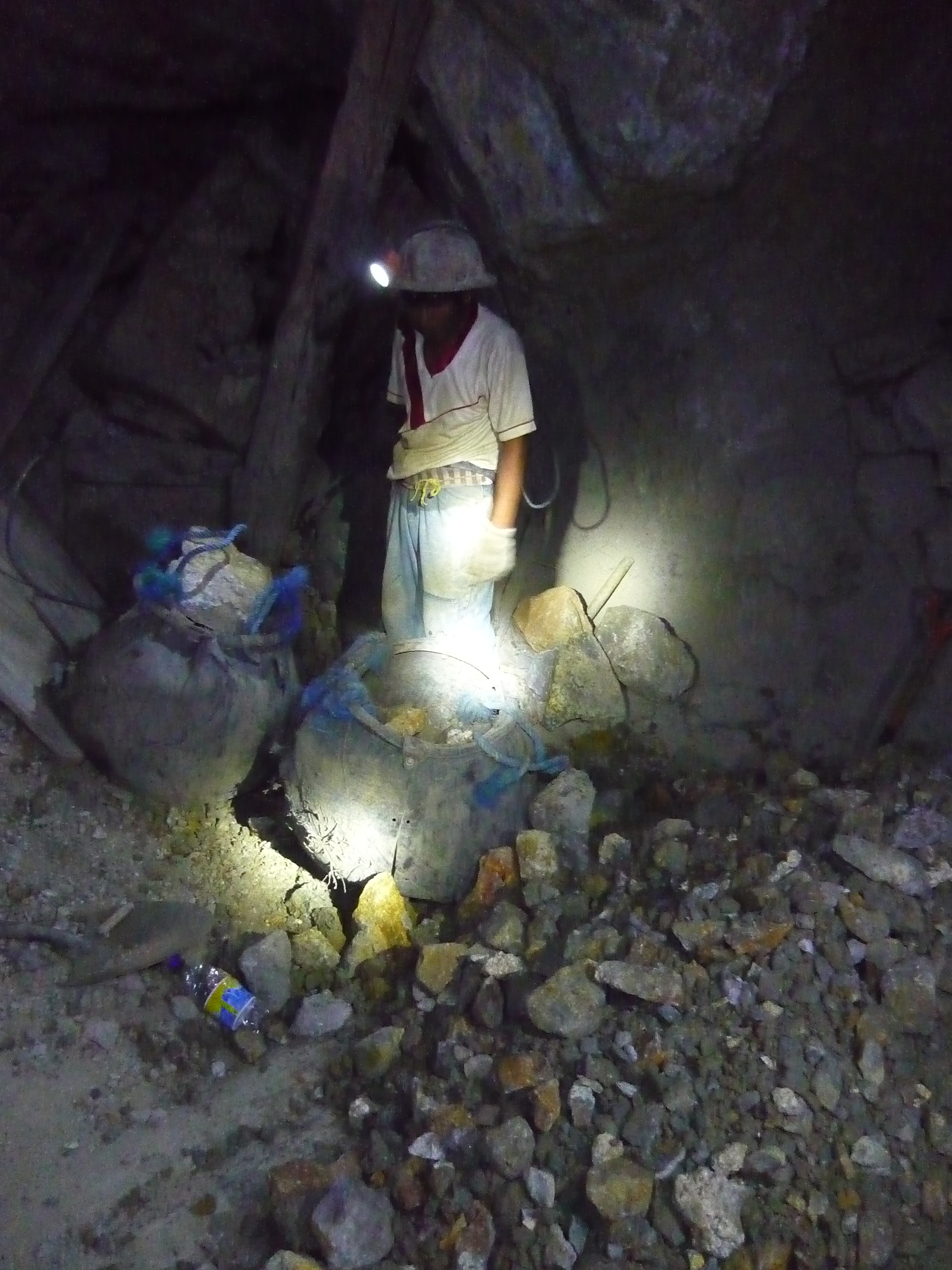

It was a very worthwhile experience – the best way to try to get a deeper social understanding of the way people in this region have to live, what they have to do to make enough money to support their family and the dangers they are exposed to as a consequence. Most miners live to about 45-50 years of age before they succumb to horrible lung diseases. There is no regulation of working hours, conditions, age. You just have to be strong enough (it’s physically extremely hard) and choose to do it (some start working there as young as 13 to help support the family). You have to buy all your own equipment, decide your own working hours and can work in any of the mines as long as you get permission from the cooperative that owns it. In good months, a miner can make up to 5000 Bol. (ca. £450) but some months no more than 1000 Bol., it all depends on the mount of minerals they can extract, but the opportunity to make a decent living is there and is what drives people to continue to do it (for comparison, a police officer in Bolivia makes about 2000 Bol. a month – not including the unofficial fees they ask for but perhaps explaining why they ask for them). Our guide asked us what we each do for a living before we went into the mine and then told us that whatever we might feel about those professions at times in our working lives, we would find it hard to complain about any of them after seeing the mine and the conditions the miners work in. And having spent 2 hours just walking and crawling around in one of them (yes, just 2 hours. Men work there (work!) for 10 hours a day), it’s impossible not to see his point.
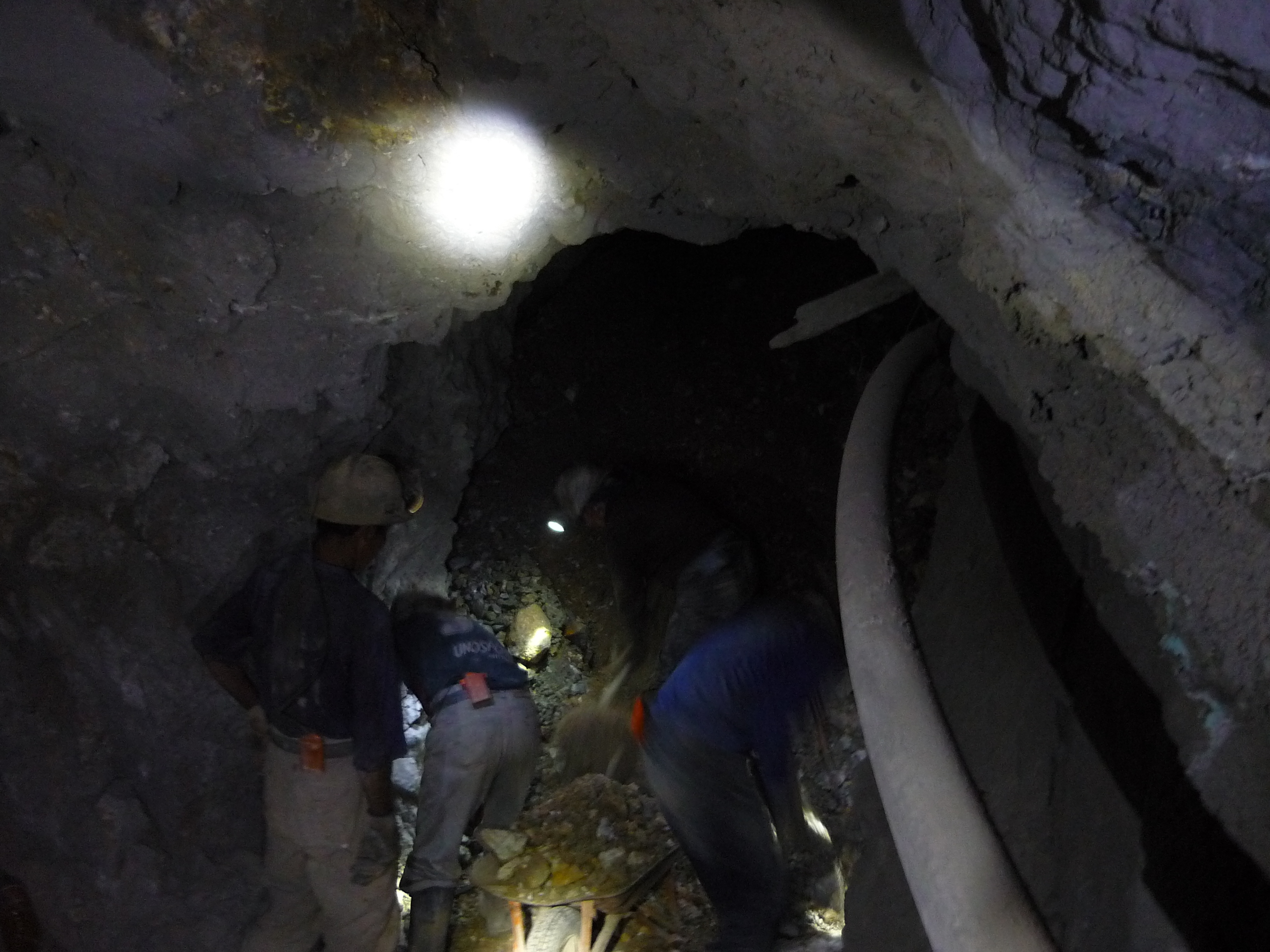
There are 15’000 miners working in the 80 mines around Potosí. They don’t know when they will be dry – they are expecting it to be within 15-20 years. Once there is no more work there, those miners, and their families, will need to move, find alternate (and probably lower paying) sources of income and in all likelihood Potosí will become a ghost town. It’s a social situation that was a real lesson to witness but one that is a lot of people’s daily reality. We were 13 people in total doing the tour with Koala Agency the day I went. We each paid 100 Bol. That’s an average monthly Bolivian salary paid by tourists each day. I’m not saying that is wrong or right but it puts a lot of things into perspective. The agency we went with gives 15% of the turnover to the miners who in return allow the tour groups to come in, witness them at work and take photos. Which helped make it feel like a two-way, give-and-take situation – we got a social experience that helps put a lot of things about this country into perspective and they got money (and dynamite) to help them continue to try to make sufficient money for themselves and their families.

For me, this turned out to be a great experience and I’m glad I did it. No amount of tourism, however responsible, is going to make a difference to their working conditions. But it helps them out a little bit and it can’t help but improve your understanding of what is a beautiful and fascinating but politically and socially complex country. It was the kind of experience that challenges you to think and I like travelling that way.

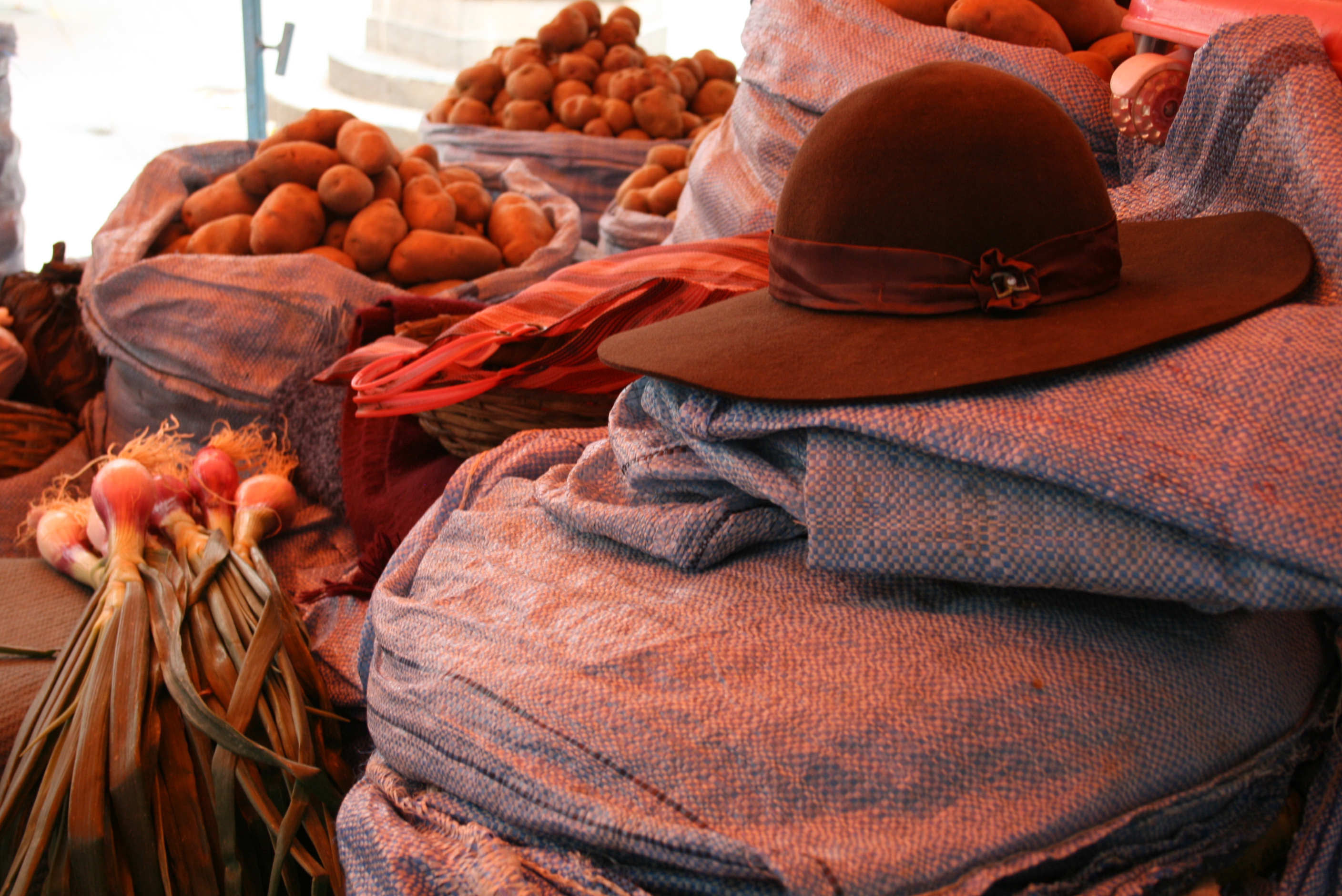
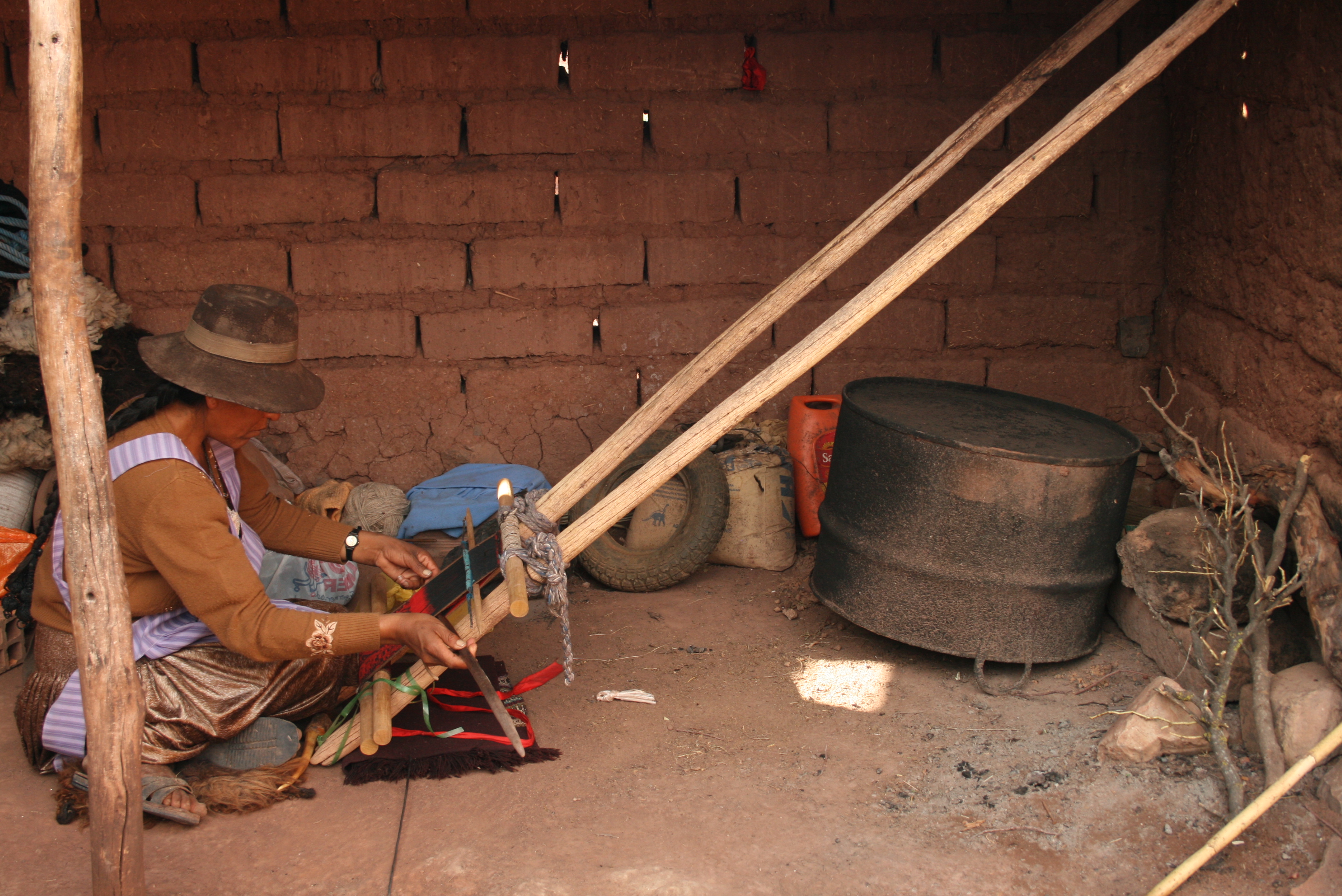
On a more this-is-how-Gunilla-normally-travels note, Sucre is in the Chuquisaca region of Bolivia which is well known for their textiles. We got to visit a local weaver in Maragua and her work was beautiful so I decided to head off to Tarabuco on a micro and then a colectivo for the Sunday market, hoping to find a few souvenirs. Because so far on this trip, I have bought very few souvenirs and I’m beginning to worry that I will really regret that in hindsight. It was a great little market town and I did manage to get a few bargains (and a Christmas present for my brother that I nearly walked away from over 5 Bolivianos that the woman and I were at a bargaining stalemate over for ages (it was literally my charm vs. her’s and we were pretty evenly matched on stubbornness) which I hope he appreciates but I realise he might not actually get until well past Christmas). And also a jumper I probably don’t need (ok, I definitely don’t) but I wanted to see how big of a discount it was possible to achieve on one of these ‘alpaca’ jumpers. Turns out that for me, on that day, that is 65%. So however soft it might feel, it probably isn’t actually alpaca.
And then today I decided to just have as an extra, chilled out, day in Sucre, eating chorizo sandwiches at the market and drinking coca tea over yet another spicy tucumana while using the wifi at the Condor Cafe, before my bus to Uyuni. Flats of salt await me. Expect only unimaginative, predictable and anyone-you’ve-ever-known-who-has-been-to-Salar de Uyuni-have-taken-the-exact-same photos in the next blog post.
Today I’m listening to: Beirut – ‘A Sunday Smile’
 whatgunilladidnext
Kære Gunilla. Jeg er nu blevet opdateret på dine seneste skriverier. Og endnu en gang har jeg glemt tiden, mens jeg har været fordybet i dine oplevelser. Godt at der ikke er så travlt på arbejde lige nu.
Ha’ en fortsat rigtig god tur. Knus Mari-Ann
Hej Gunilla! Nu har også jeg, lige opdateret Mormor om alle dine mægtige oplevelser. Vi kan knab nok fatte, hvordan du kan rumme alle disse begivenheder, samt de mange fotos, det er nu dejligt med disse mails. Kærlig hilsen og fortsat GOOD LUCK ! Mormor og Morfar